
Rambla de Castro: palm trees, history and the ocean in the north of Tenerife
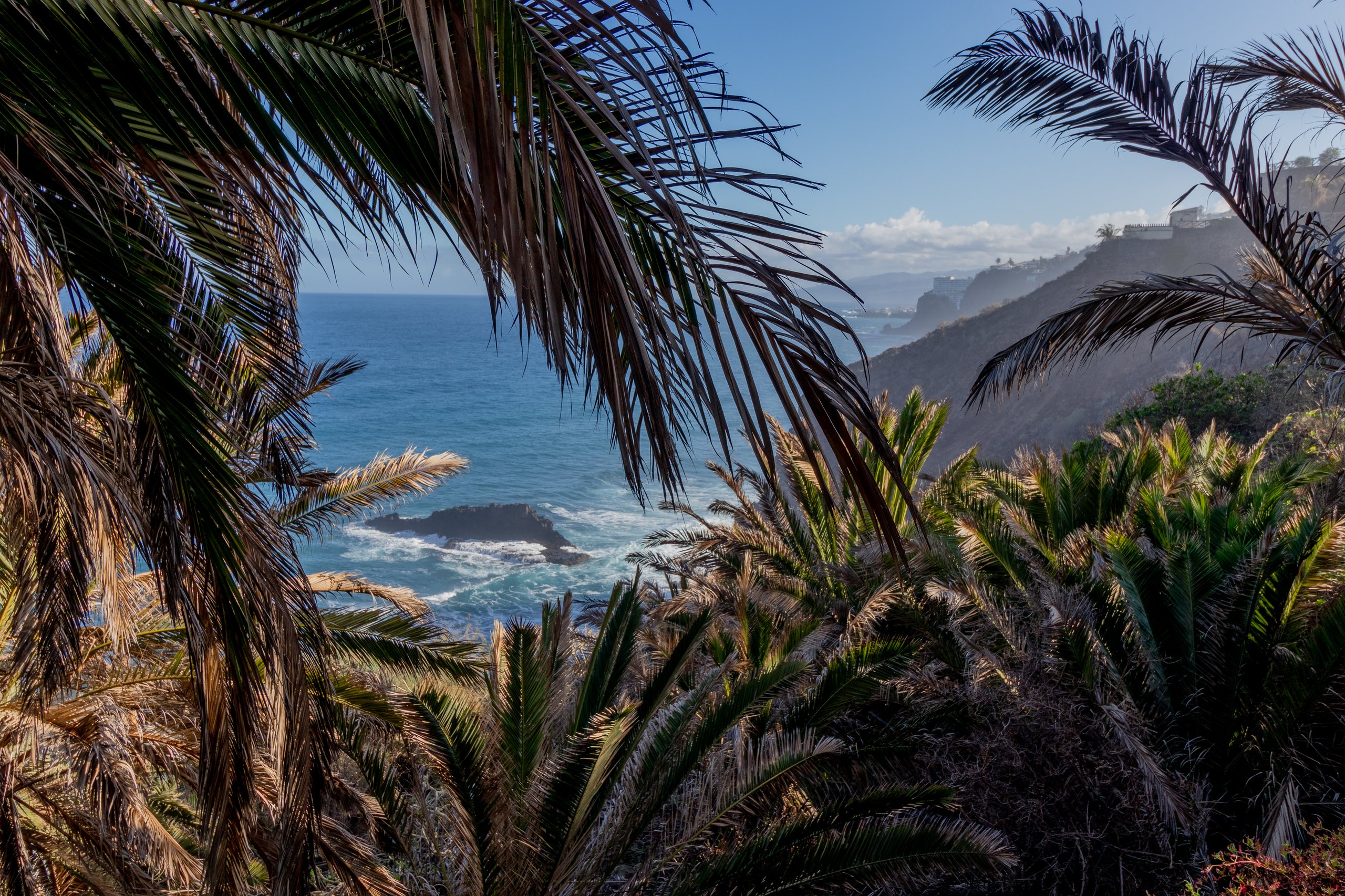
Palms and ocean on the Rambla de Castro.
Pablosievert / Wikimedia Commons — CC BY-SA 4.0. No changes.
The Rambla de Castro, In Los Realejos, it is one of those landscapes in the north of Tenerife that invite you to slow down. Among palm trees, cliffs and views of the Atlantic, this protected area combines nature, heritage and places worth discovering in tranquility.
This protected landscape is located in Los Realejos and combines nature with traces of agricultural life and coastal history. Our proposal is to discover it slowly: starting at the San Pedro viewpoint and, if the state of the roads and access conditions allow it, continuing on foot along the authorized route that best suits you.
It starts with the views from San Pedro
The San Pedro viewpoint allows you to contemplate the surroundings of the Rambla de Castro from above. From this point you can see the combination of palm trees, crops and buildings that make this stretch of coastline so recognizable.
Visiting a viewpoint and hiking a trail are different plans. You don't need to complete a hike to enjoy the place, and you shouldn't interpret the facilities of the viewpoint as a guarantee of accessibility throughout the entire lower route.
A landscape to look at closely
La Rambla de Castro is home to Canary palm trees, dragonflies and coastal vegetation, as well as birds such as the common swift. Its appeal goes beyond just a beautiful view: the vegetation and wildlife are part of the value of this protected area.
If you decide to walk, do it on the designated paths. Avoid shortcuts, do not pick plants and keep your distance from animals. A quiet walk allows you to notice details that go unnoticed when the goal is simply to reach a specific point: the shape of a leaf, the contrast between the rock and the sea, or the movement of the leaves with the wind.
For the photographs, choose a safe spot on the road and give way. There is no need to get close to the edge of a cliff or leave the marked path to get a good picture of the north of Tenerife.
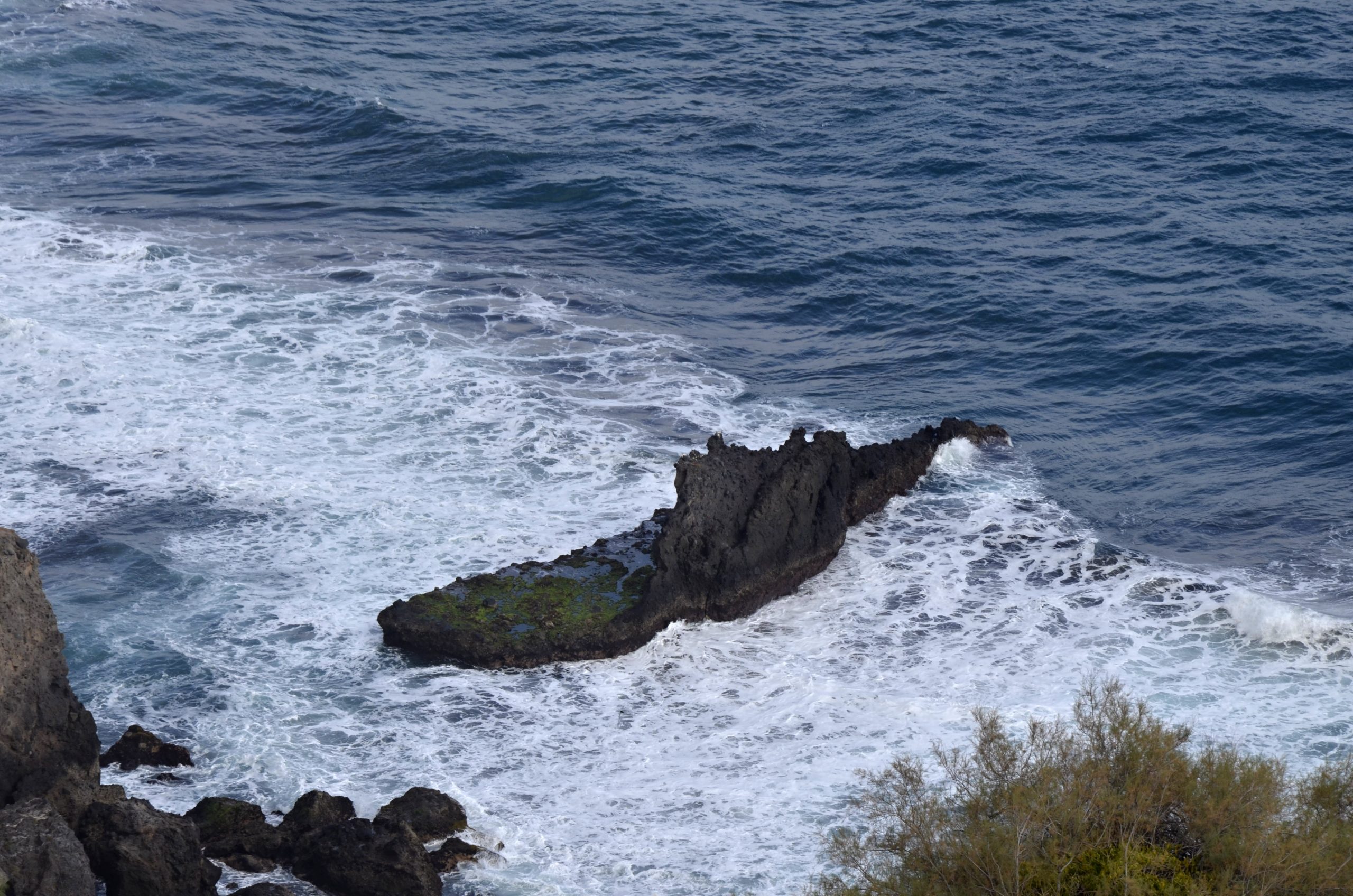
Echeyde777 / Wikimedia Commons — CC BY-SA 3.0 Spain. No changes.
The Hacienda of Castro and the memory of the countryside
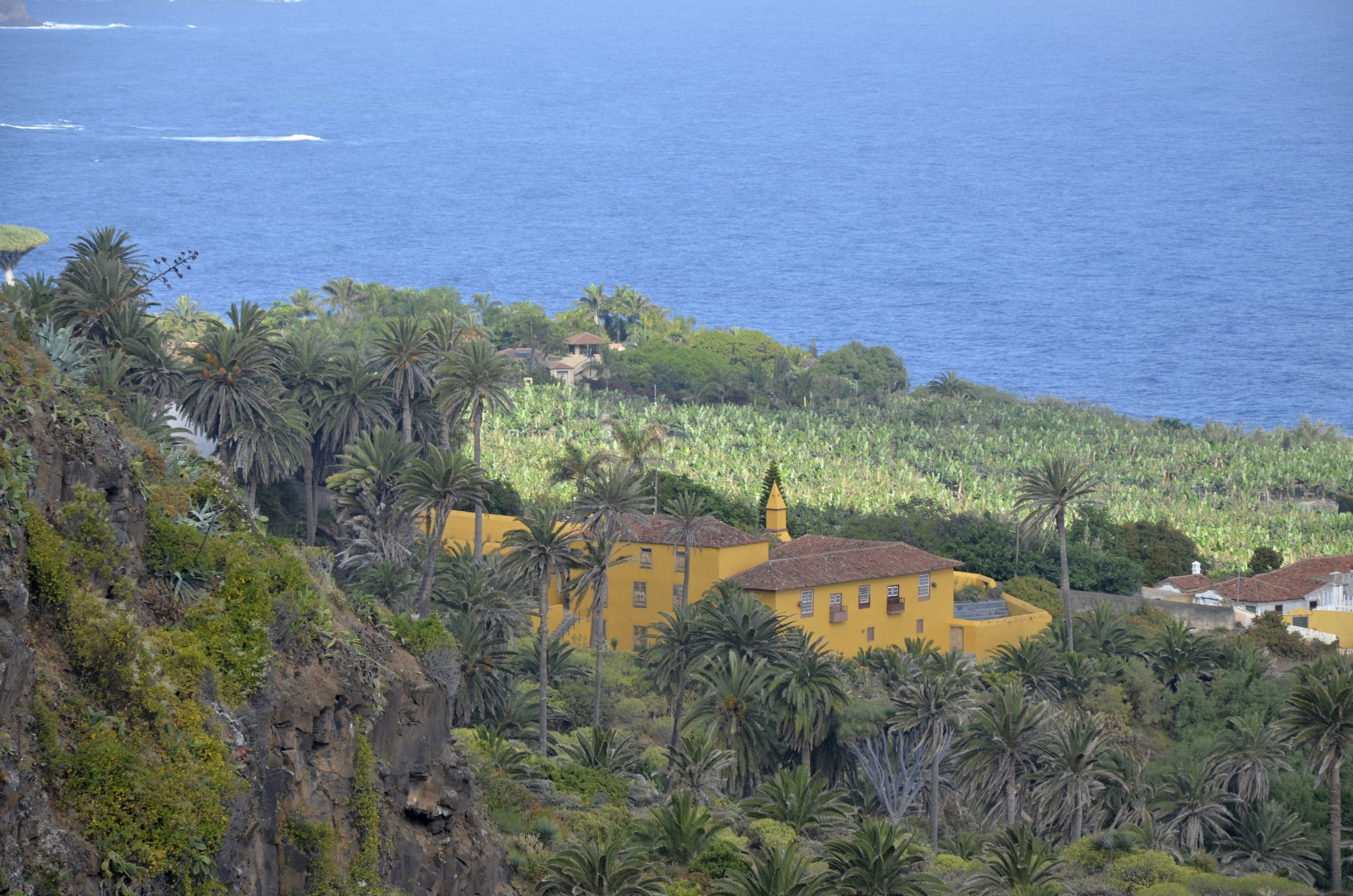
Among the heritage features of the landscape are the Hacienda de Castro. Its presence helps to understand that this environment is also linked to the work of the land and the use of water.
Instead of thinking of nature and heritage as two separate visits, try to observe them together. The buildings, crops, and vegetation all tell different parts of the same story. That relationship is one of the reasons it’s worth stopping and looking closely.
It views the buildings from the permitted areas. This proposal does not include access to the interior of the hacienda nor does it assume that its facilities are open to the public. A photograph of the exterior or a pause to observe its location may be enough to add context to the walk.
Echeyde777 / Wikimedia Commons — CC BY-SA 3.0 Spain. No changes.
The Fortín de San Fernando: a look at the maritime past
The Fortín de San Fernando recalls another facet of this coast. Built in the late 18th century to watch over and defend the coastline, it retains three of its former cannons, according to Turismo de Tenerife.
Its history allows us to imagine a relationship with the ocean very different from that of the current traveler: the sea was also a route of arrival that had to be observed and protected. If your authorized itinerary allows you to approach it, it can be a stop to connect the landscape with that past.
Don't turn every reference in the article into a mandatory stop. Access to a specific point depends on the marked sections and the signage you find. It's better to adapt the walk rather than trying to complete a list at all costs.
How to choose your walk
Tenerife ON describes a trail of about four kilometers between the viewpoints of San Pedro and El Burgado. That distance corresponds to the linear route, not a circular route: if you leave the vehicle at the start, you must arrange for a return and also account for the effort of returning.
Before leaving, check the official trail information, its possible authorization or reservation requirements, and the day's warnings. Regulations and the condition of the terrain may change. A route published on a blog does not replace the instructions of the administration or the signage on the ground.
Do not include impromptu descents to beaches, waterfalls, or ruins. Tenerife ON has published restrictions on access from the main trail to the coast due to the risk of landslides; check which warnings remain in effect for your visit date and respect any closures. This plan is designed to allow for the landscape from the authorized spaces.
What to bring and when to change plans
Bring good-grip footwear, water, sunscreen, a lightweight layer, and your mobile phone with a battery. Download the route information before starting and calculate your return time with room for error.
If it has rained, there is strong wind, or you find slippery surfaces, consider postponing the hike. With children, choose the distance based on their experience and maintain close supervision in exposed sections. Do not assume that the route is suitable for a stroller or any mobility needs.
A brief visit can be just as satisfying. If conditions do not allow you to go down, change your activity; the holidays allow you to return another day.
Complete the day with a meal in Las Aguas
After visiting Rambla de Castro, you can continue your day in Las Aguas, in San Juan de la Rambla, and enjoy a meal by the sea. There you will find restaurants such as Los Arroces – Restaurant Las Aguas, The Basement y Cofradía Las Aguas, Where to take a break and continue savoring northern Tenerife. We recommend checking their schedules and booking in advance.
Las Aguas is an additional stop, not the end of the path along the Rambla de Castro.
Are you coming with your pet?
Vacations are more enjoyable when you can share them with your four-legged companion. In We are Tenerife Living Pets allowedPlease let us know that you will be traveling with your pet to prepare your stay and to check the accommodation conditions.
If you want to visit Rambla de Castro with your dog, check the current regulations of the protected area beforehand. In the areas where it is allowed to access it, keep it on a leash, pick up its droppings, and avoid it approaching the wildlife. Bring water for both of you and adapt the walk to their needs.
Discover the north with Tenerife Living
If you stay with Tenerife Living in Icod de los Vinos, You can include Los Realejos in your plans for the north, organizing your travel according to your starting point. If you choose our accommodations in Alcalá, I would suggest it as an excursion to another part of the island.
Leave time to return and rest. The Rambla de Castro is best enjoyed when curiosity drives the pace and respect for the environment guides the way. Discover our accommodations and find your starting point to discover Tenerife with a Canarian soul.
To make your reservation, simply click here.
Related articles

Golf course on holiday in Tenerife Very close to our flats and bungalows, both in the north and in the south of the island.
Tenerife boasts a wide range of theme parks with different settings offering fun activities for all ages[...]
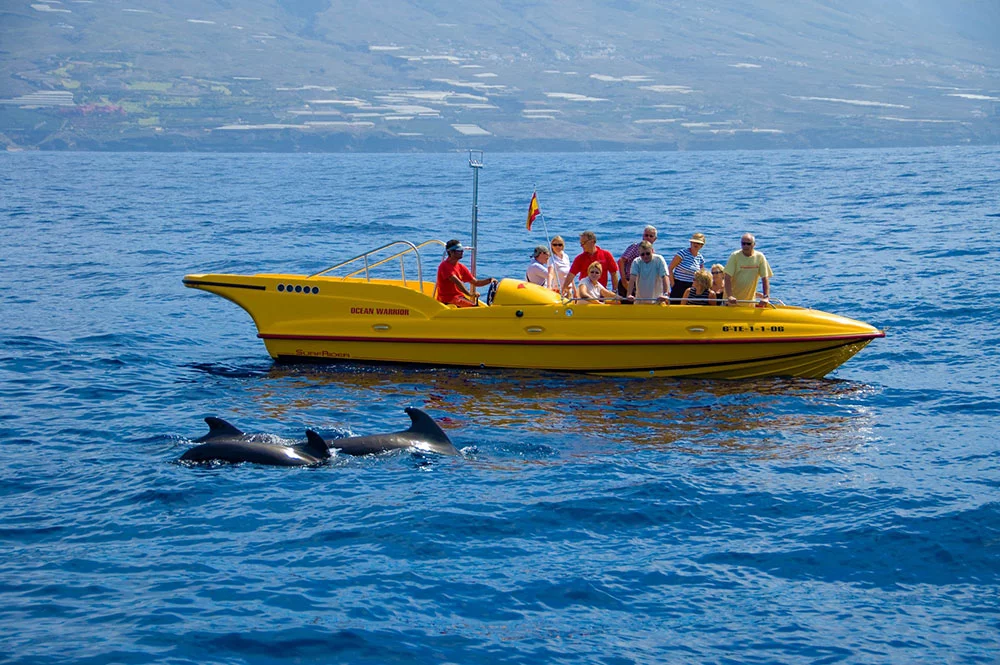
Whale and dolphin watching is a unique experience for your holiday. During a boat trip in Tenerife, you will be able to admire[...]


 Español
 Deutsch (Sie)
 English (UK)
 Italiano


