
Alcalá: a charming little fishing village in the southwest of Tenerife.
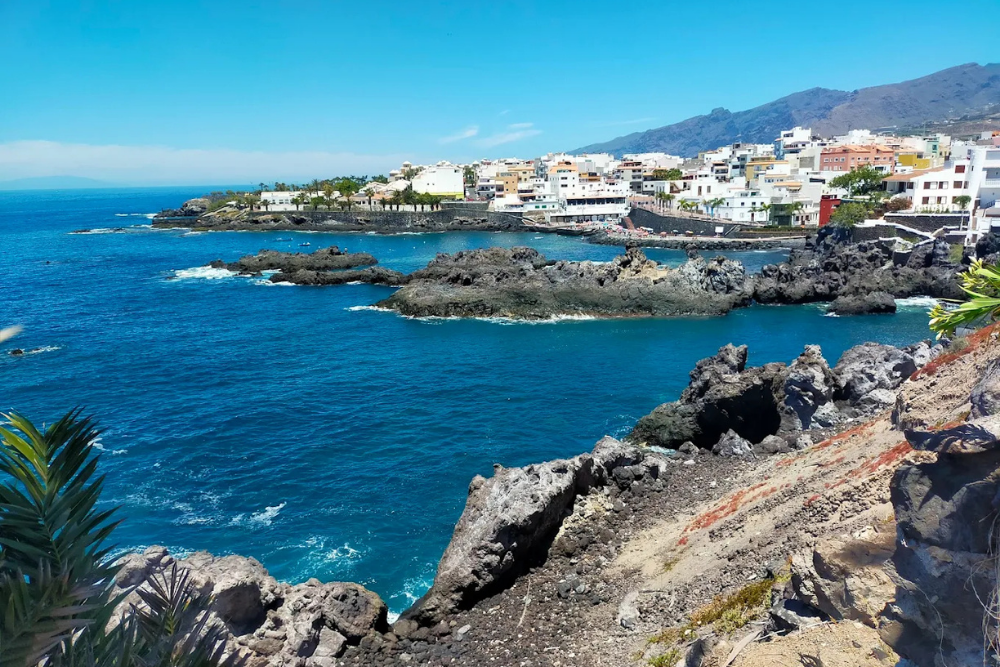
Alcalá is a charming coastal village located in the sunny southwest of Tenerife, within the municipality of Guía de Isora. With some 4,700 inhabitants, this former fishing village preserves a quiet and authentic atmosphere that today attracts travellers looking to get to know the island beyond the traditional tourist areas.
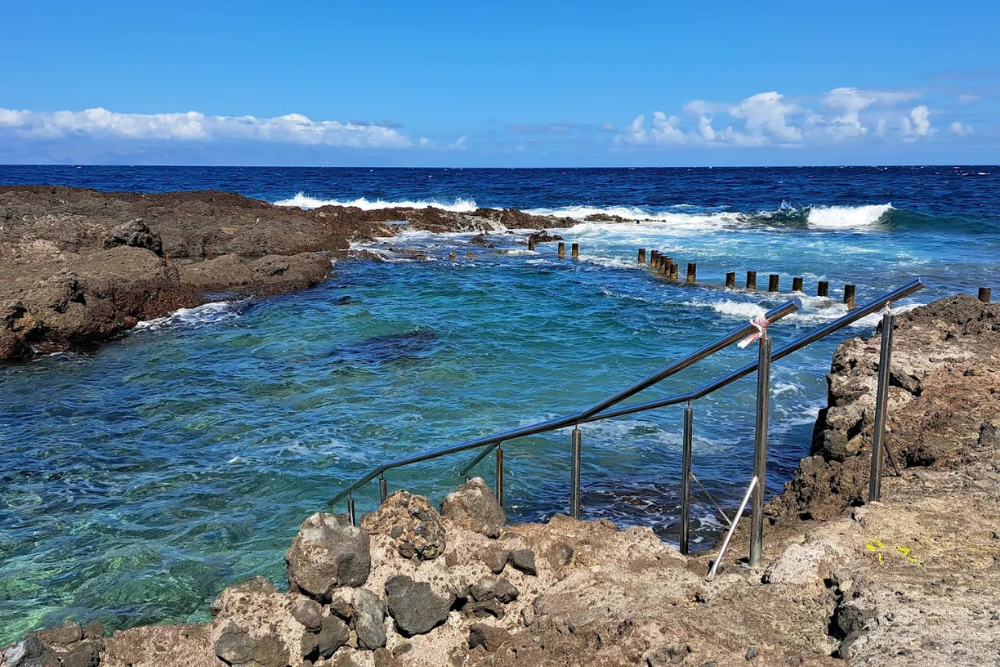
At its heart is a pleasant waterfront square, surrounded by bars, cafes and restaurants where it's easy to pass the time while gazing at the ocean. The old harbour has been transformed over the years into an ideal place for swimming, snorkelling and diving. Furthermore, from Alcalá a long and pleasant promenade leads to Los Gigantes and allows you to discover small coves and bathing areas along the coast.
But Alcalá is not just a beautiful place to stroll around. Its history is full of curious details that help to understand how a small fishing settlement was transformed into the charming destination it is today.
How was Alcalá born?
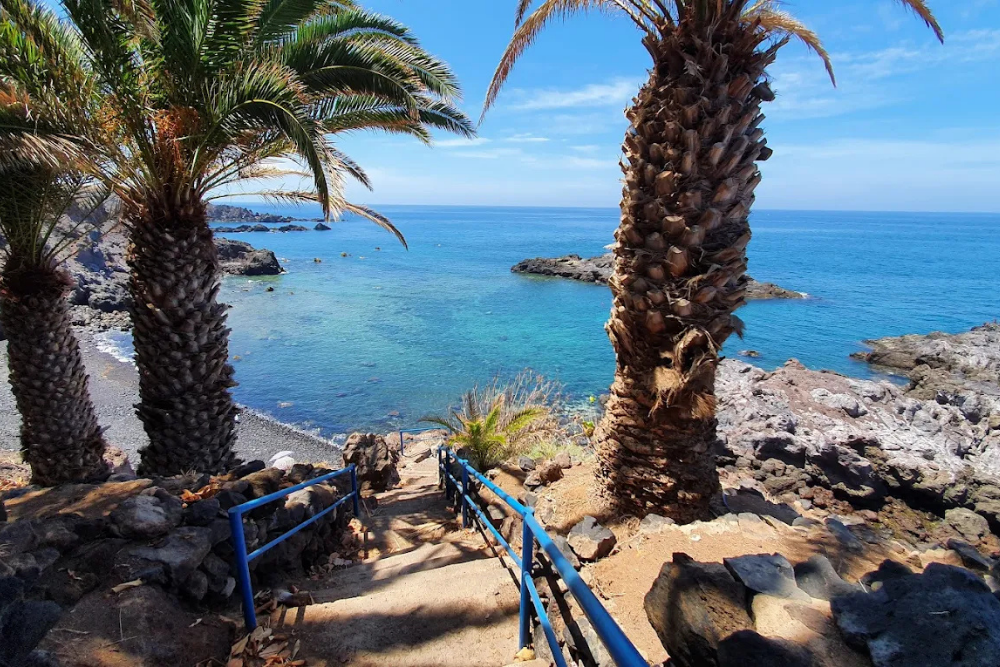
Cica Ezust Playa Baja Larga.
The history of Alcalá begins in the middle of the 19th century. At that time, shepherds from the highlands of the municipality of Guía de Isora and fishing families from Garachico and Gran Canaria decided to settle on a volcanic terrain located on a small bay on the southwest coast of Tenerife.
In 1865 the small settlement had just 52 inhabitants living in 11 single-storey houses. Their livelihood came from livestock, fishing and cereal cultivation.
Alcalá as a traditional fishing village
For much of its history, Alcalá lived mainly from fishing and agriculture. Even today you can still see large farms around the town that remind us of this agricultural period.
A coastal road connecting Los Gigantes, Playa San Juan and Adeje crosses the village and divides it into two areas. The part closest to the sea is the oldest and also the most visited by those who come to discover the charm of the place.
Although the fishing port ceased to operate in 2010, the seafaring spirit is still present in the village.
Alcalá and the tuna tradition in the Canary Islands
Tuna fishing has been an important activity in the Canary Islands for centuries, especially between the 19th and early 20th centuries.
Between 1837 and 1838, factories were set up on several islands where tuna was preserved by salting. For a few years production grew strongly, although in 1851 the industry suffered a crisis due to high taxes and the high cost of transporting salt from other islands.
Despite this, fishing continued to be a fundamental activity in many coastal towns, including Alcalá.
The cannery and salt mines of Alcalá
In the first half of the 20th century, the local economy revolved mainly around the fishing sector. Between the 1920s and 1950s, industrial demand for tuna increased, which increased activity in the waters off the western islands.
In 1934, 43 fishermen were already working at Playa de Alcalá. Part of the tuna caught was salted, but another part was processed into oil for canning.
In response to this demand, in 1938 the businessman Álvaro Rodríguez López founded a canning factory on the outskirts of the village. Around 90 people worked there, both men and women.
Two years later, in 1940, the brothers Félix and José Reyes built the Salinas de Alcalá to produce the salt needed for the canning industry. At that time the village was still small: in 1950 it had just 356 inhabitants.
Over time, the local economy diversified. During the second half of the 20th century agriculture, especially the cultivation and export of tomatoes and bananas, became another important economic engine.
Later, with the development of tourism in the south of Tenerife, the economy of the village began to transform.
What happened to the port and fisheries?
Laura Carvajal Playa Baja Larga Panoram
The fishing port of Alcalá ceased to operate in 2010. The Cofradía de Pescadores Nuestra Señora de la Luz de Guía Isora then moved its headquarters to the nearby port of Playa San Juan.
Currently the entire fleet - coastal, purse seine and deep-sea - is based there. Between 2006 and 2020, the confraternity had 33 coastal fishing boats and 9 vessels dedicated mainly to tuna fishing.
However, fishing boats can still be seen in Alcalá. Many remain on dry land, as the fishermen still use the old port facilities as a dry dock to repair and paint their boats.
Traces of the past that can still be seen in Alcalá Although the town has changed a lot, there are still traces of its history.
The old cannery
The building of the former cannery still exists and is located in the street that is now called, appropriately enough, Calle La Fábrica.
Today the smell of fish has been replaced by the aroma of freshly baked bread and Mediterranean food. The building now houses a restaurant and a bakery, and until recently there was also a supermarket, recognisable by its orange colour.
The old salt mines and the Hotel Meliá
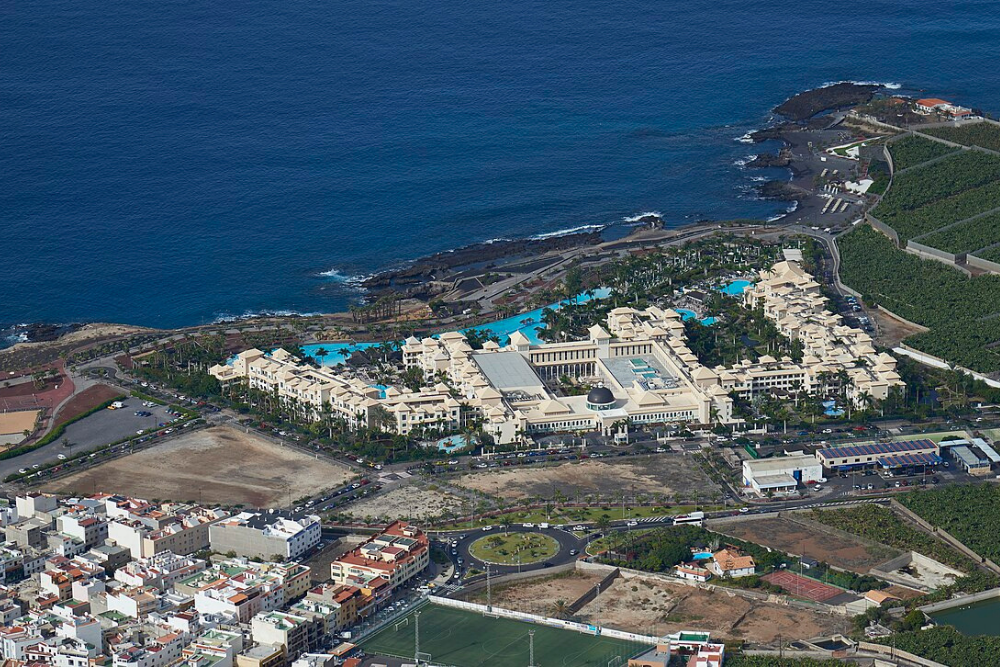
Tenerife, Hotel Gran Meliá Palacio de Isora aerial view
The Salinas de Alcalá operated until 1984 and the following year they were partially demolished. The Hotel Meliá was later built on the same site.
Interestingly, the hotel boasts the largest artificial saltwater lake in Europe. It is unclear whether this feature was intended as a tribute to the old salt pans or simply as a tourist attraction.
Why does the Avenida Marítima de Alcalá have a curious name?
The promenade that passes in front of the Hotel Meliá and connects with the bathing areas of Alcalá seems to have no name. However, on official maps it appears as Paseo Marítimo Gabriel Escarrer.
This name refers to Gabriel Escarrer Julià, Spanish businessman, founder and president of the hotel group Meliá Hotels International, whose hotel is located right next to the promenade.
Where is Alcalá and what can you find there today?
Marc Switten Alcala
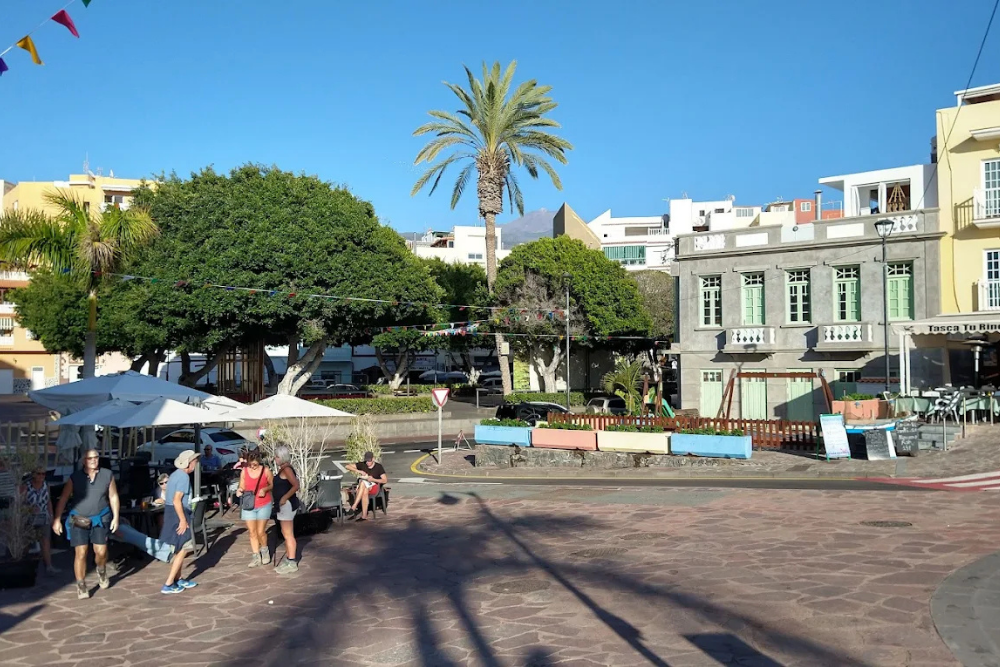
Alcalá is a coastal town with a local atmosphere, known for its seaside square - Plaza Llano - where a lively farmers' market is held every Monday.
The square is surrounded by restaurants, bars and small cafés, and large trees provide shade for much of the day. From here you can easily access the promenade that runs along the coast to Los Gigantes, where there are several natural areas for swimming, snorkelling or simply enjoying the Atlantic.
Many travellers choose Alcalá precisely because of this balance between tranquillity and authenticity. If you are looking to stay in the centre of the town, Tenerife Living's flats El Medio and El Piso are a very convenient option, as they are just a few minutes' walk from the sea and the main points of the town.
Staying in Alcalá: experiencing the town like a local
One of the best ways to discover Alcalá is to stay a few days and experience the quiet rhythm of the town: have breakfast facing the sea, stroll through the Monday market or watch the sunset from the promenade.
For this purpose, Tenerife Living offers five holiday flats in the village itself: El Medio, El Piso and El Terrado, located in Alcalá House, with access to a large communal roof terrace.
Violeta and Estrella, located in Casa Atlantica, just across the street.
All the flats have a fully equipped kitchen, living room with sofa bed, double bedroom, WiFi and private terrace -many with sea views- and capacity for up to three people. They are also pet friendly, so you can travel with your pet and enjoy the seafront promenade or the coastal routes in the south of Tenerife together.
Festivities and Traditions
Alcalá celebrates several festivities throughout the year. Among the most outstanding is the Fiesta de San Juan Bautista, the patron saint of the municipality, which is celebrated in June with processions, music and traditional dances.
Another important celebration is the Romería de San Isidro, which includes parades, food and cultural activities.
The Church of San Juan Bautista, located in the centre of Alcalá, is a beautiful example of Canarian religious architecture. Built in the 16th century, the church is known for its baroque-style façade and its interior decorated with religious artwork.
A town with history and a seafaring soul
Voyages et randonnees.
Today Alcalá is a quiet and pleasant destination where history, tradition and tourism coexist. Its small coves, its promenade, its local market and its relaxed atmosphere make it one of the most authentic places in the southwest of Tenerife.
Those who stroll through its streets may see boats resting on land, buildings that were once factories or hotels built where there were once salt mines. These are small clues that remind us that, before becoming a perfect place to enjoy the sea, Alcalá was for a long time a town that lived off it.
And perhaps that mix of history, sea and local life is precisely what makes many visitors decide to return... and stay a few days longer.
If you choose to stay here during your holidays in Tenerife, we invite you to stay with us. Our flats are in quiet streets, just a few metres from the bay. From here you can enjoy the authentic charm of the village and you will have the sea, the promenade and the restaurants (there is a restaurant in the same street, two houses up, which is very good and specialises in grilled meats. Three roots) We hope to see you soon!
Tenerife Living: hospitality with a Canarian soul!
Related articles

Golf course on holiday in Tenerife Very close to our flats and bungalows, both in the north and in the south of the island.
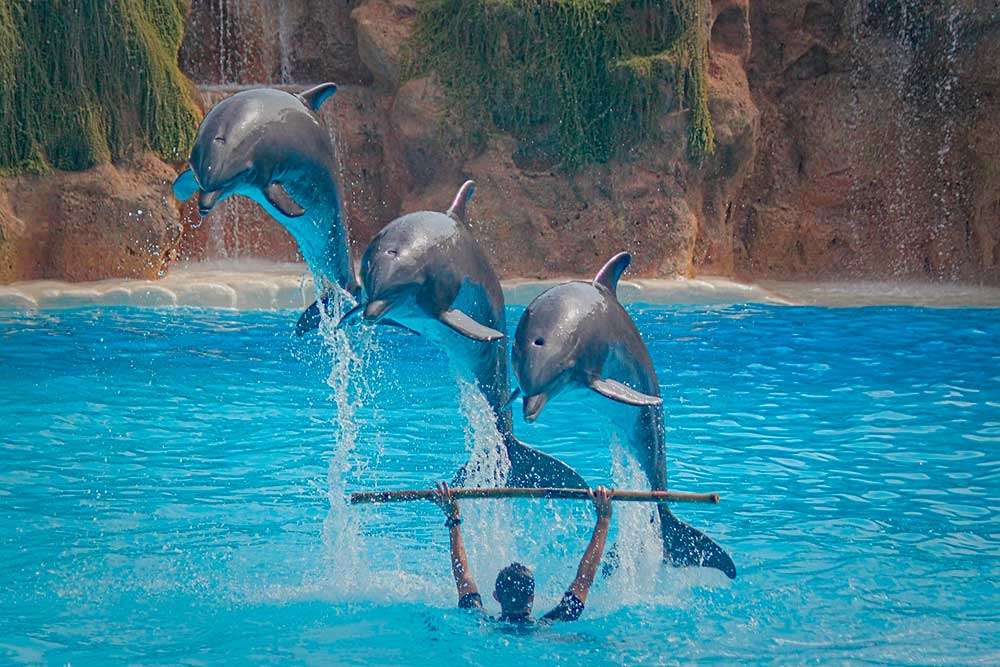
Tenerife has a wide range of theme parks with different atmospheres that offer fun activities for all ages.
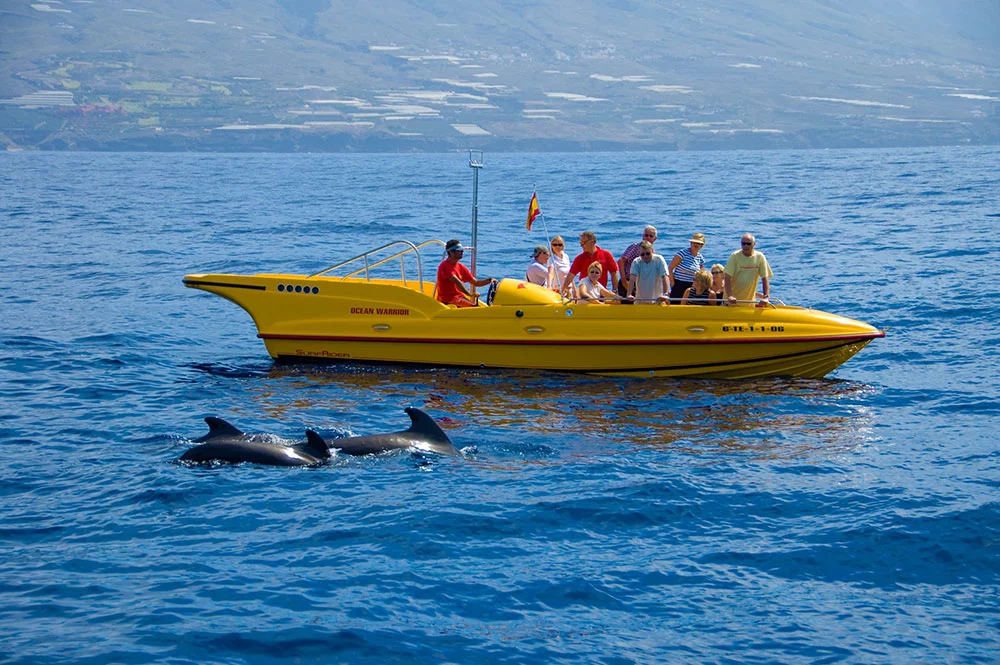
Whale and dolphin watching is a unique experience for your holiday. During a boat trip in Tenerife, you will be able to admire[...]


 Español
  Deutsch (Sie)
  English (UK)
  Italiano